Versa Style Design

Montreal Interior Design and Renovation Services

  • Home Renovations
    • Kitchens
    • Bathrooms and Laundry
    • Basements
  • Get Organized
    • Small Spaces
    • Kids’ Bedroom and Playroom
    • Closets and Walk Ins
    • Office Design
    • Home Theater
  • Design
    • Living Rooms and Dining Rooms
    • Bedrooms
    • Exterior Design
    • Perfect Colours
    • Custom Furniture Design
    • Curtains and Blinds Design
    • Walls that make a Statement
    • Man Caves and Garages
    • Online Design Services
  • Reviews
  • Portfolio
    • Kitchens
    • Bathrooms
    • Living Rooms and Dining Rooms
    • Bedrooms
    • Basement
    • Exteriors
    • Offices
    • Vestibules, Halls, and Stairs
    • Home Gym
    • Wine Cellar
    • Kids’ Bedroom and Playroom
    • Custom Furniture
  • About
  • Contact
  • Français

Sep 27 2018

Kitchen counters and how to choose one

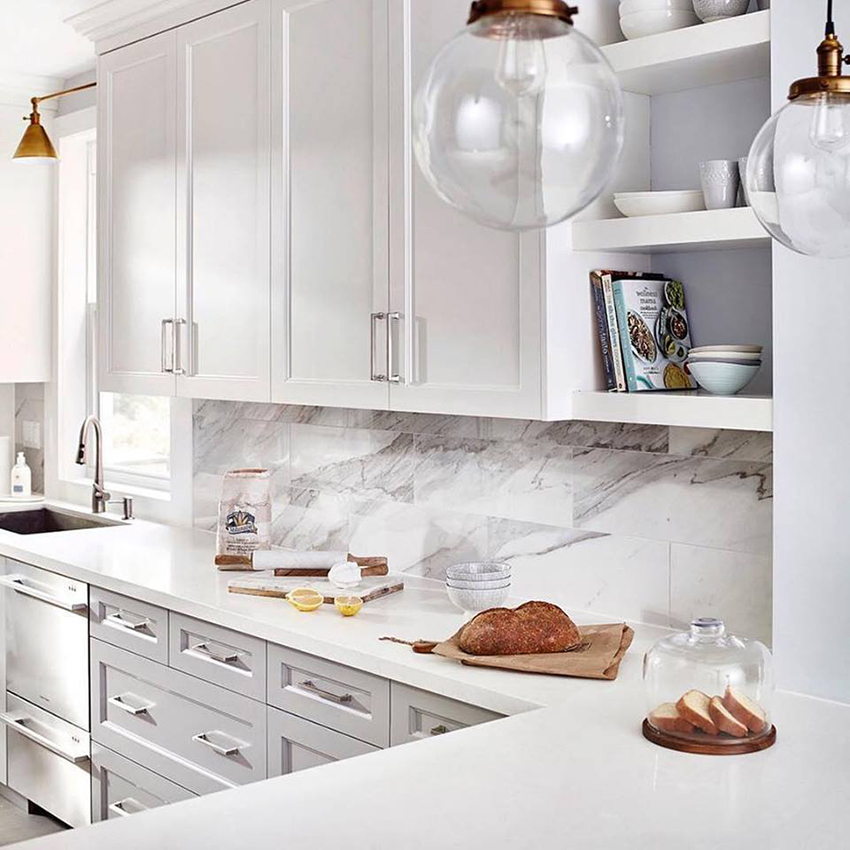
A new counter will instantly elevate your kitchen, as well as increase the value of your home. Kitchen counters have developed over time, and are now designed to adapt to your lifestyle and budget.

Are you looking to change your kitchen counter but don’t know where to start? Here are the main considerations that will help you select the best countertop for your kitchen.
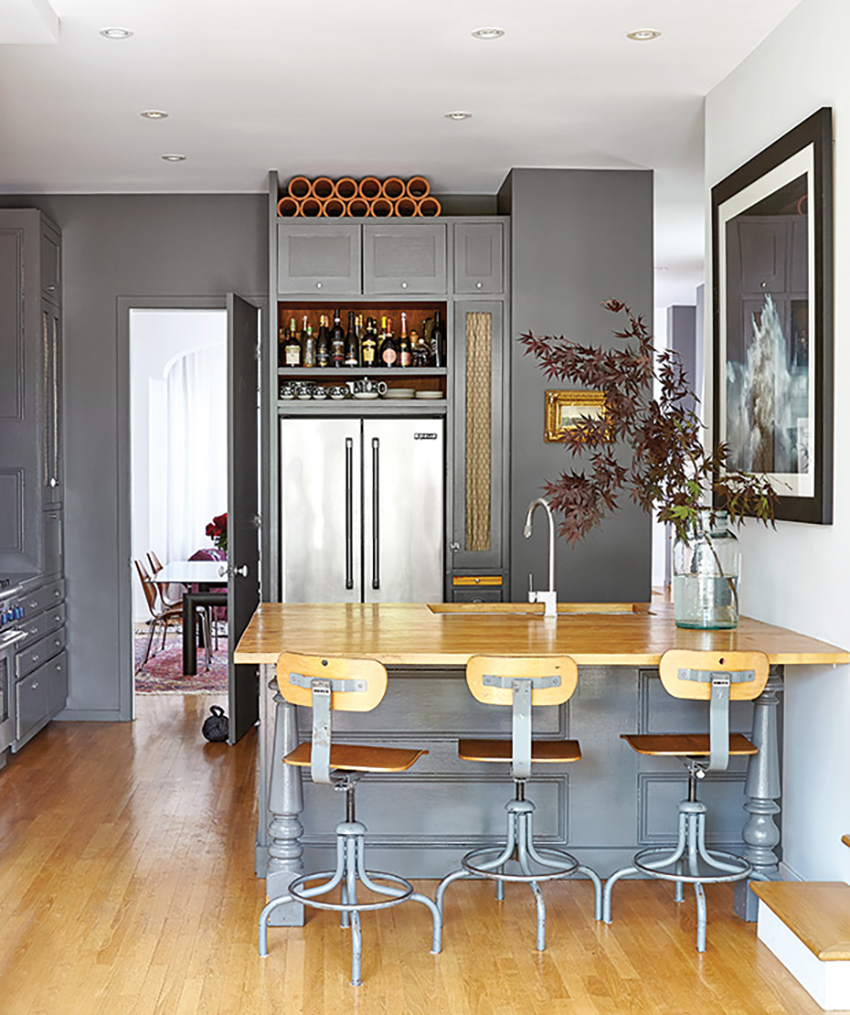
Kitchen counters and how to choose one

Determine how the counter will be used
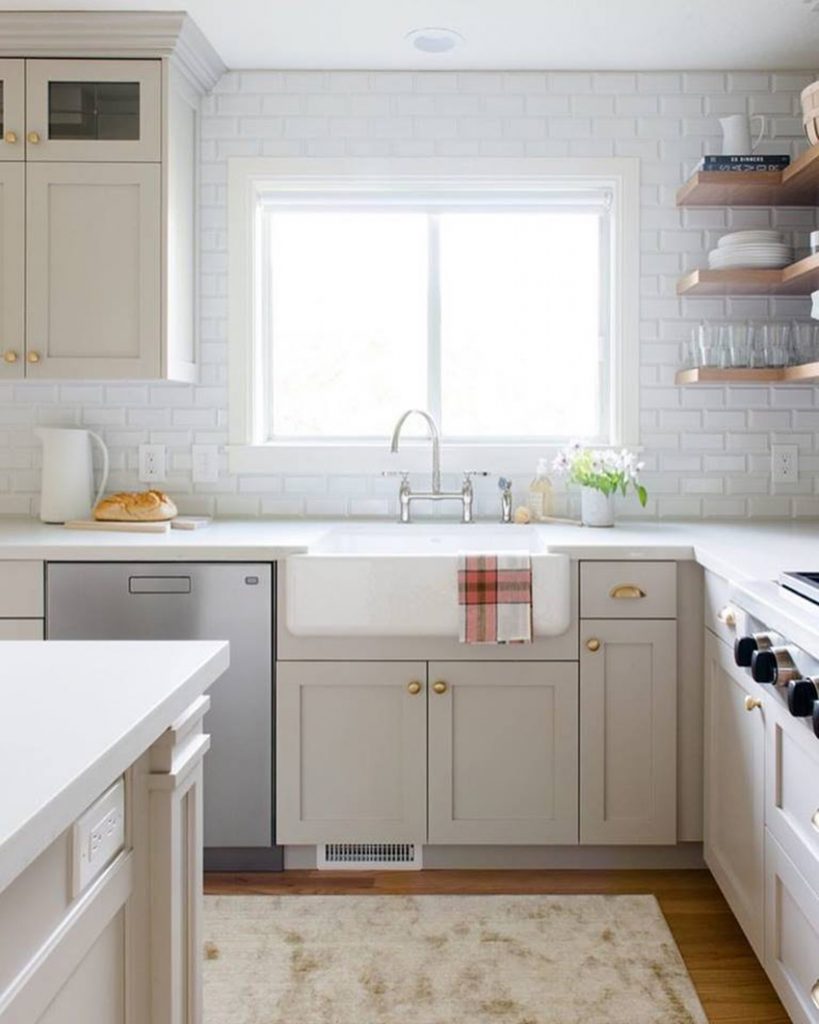
Determine how the counter will be used

In a perfect world, a kitchen counter would possess durability, easy maintenance, water, heat and stain resistance, affordability and a nice look to top it all off. Unfortunately, the reality is quite different.

No material is perfect and everyone has their own criteria and preferences. Each person prioritizes certain aspects that will be more important than others in their selection process.

Some will favour price or ease of maintenance whereas others will prefer something that looks good or is very durable. Also, in order to help you determine which characteristics are most important to you, ask yourself what type of use you will make of your counter and in what type of environment it will be installed.

Will you cook a lot on its surface? Do you use Turmeric or other saturated spices? Are there children working on an island counter? Are you willing to spend a lot of time and effort to keep it looking nice and clean?
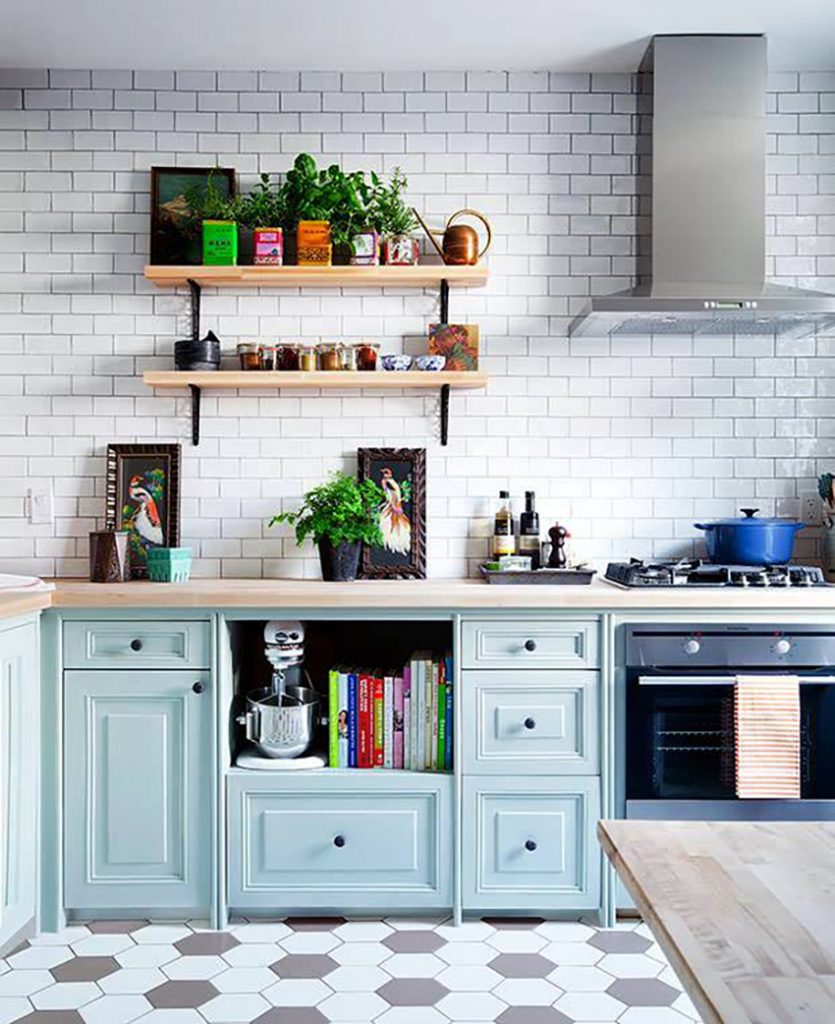
Determine how the counter will be used

Defining the budget

Defining the budget kitchen counters

This is the most important step of the process. Your budget is what will help you make your dream a reality. Essentially, it will allow you to know if you have enough money to do what you want and if not, to determine which compromises you will have to make to reach your goal. Even when you think you’ve found the perfect countertop, if it doesn’t suit your budget, you will have to find another alternative.

Elaborating your budget will also help you decide how the countertop will be installed. You could install it yourself or hire a designer with their supplier and installer to do the job. It’s up to you to see which option best suits your budget, your expectations and your manual skills.
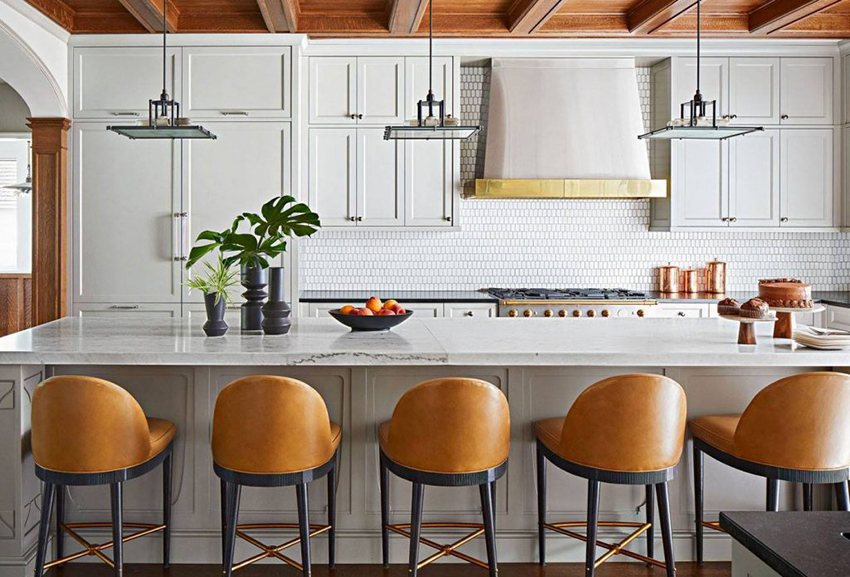
kitchen counters

A budget includes all materials, the cut, delivery and installation. If you install it yourself, you must also take into account the price of renting tools if you don’t have the right ones.

Choosing the right materials
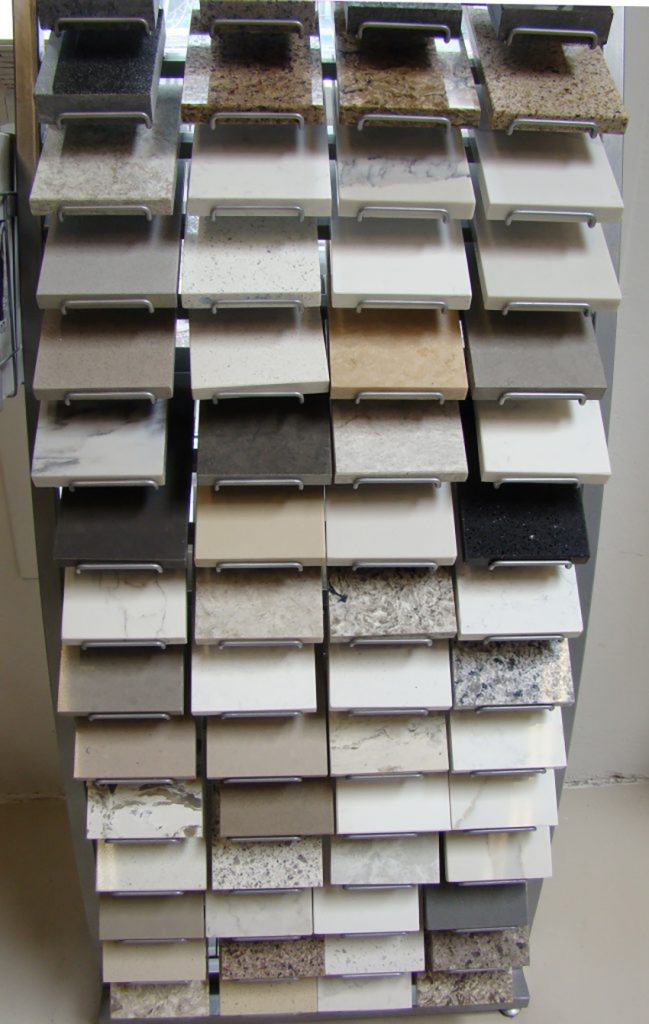
Choosing the right materials

There are many different options for kitchen countertop materials available on the market. Even though none are perfect, you will definitely find something that lives up to your expectations. In order to avoid useless spending and future regrets, take your time when making a choice.

Compare prices and check out the specific characteristics of each material. Visit the stores where they sell these types of products or Versa Style Design’s Montreal showroom, to compare the qualities, colours and prices. The more time you invest in this step, the more likely you are to be satisfied with the result.

Laminate counters
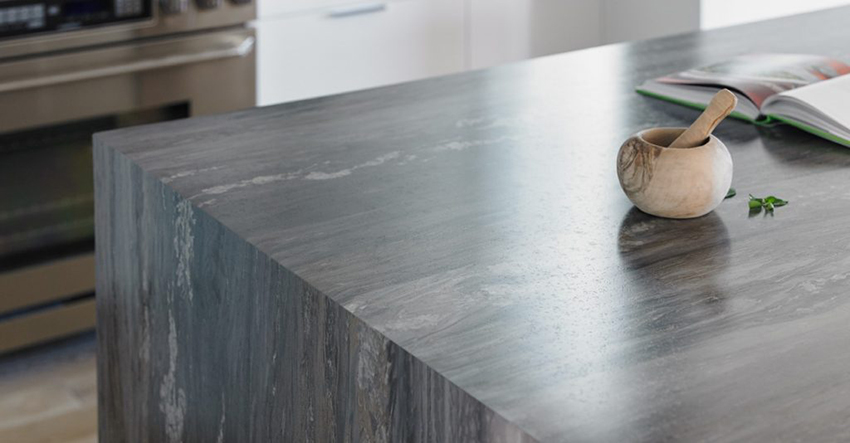
Laminate counters

Standard laminate is a sandwich of kraft paper impregnated with resin and topped by a decorative layer of melamine paper glued to a particleboard substrate. Only drop-in sink installations are possible with this type of counter. Available in a wide range of finishes, laminate can imitate the appearance of other materials, which makes it possible to enjoy the look of more expensive materials without the associated cost.

Laminate Counter Benefits

  • Affordable
  • Versatile
  • Durable
  • Wide range of colours and patterns available
  • Impact-resistant

Drawbacks

  • Only moderately heat and scratch-resistant
  • Joints are visible
  • Damaged surfaces are more difficult to repair

Maintenance

  • Clean with a mild soap

Wood counters

Wood counters

Hard woods such as yellow birch, white oak, teak, maple and cherry are the preferred wood species for work surfaces. A butcher’s block-style countertop is a chef’s dream, and is made by bonding together 3″ or larger laminated strips of unpainted wood. There are many shades of natural wood possible, making wood an ideal material to harmonize with the rest of your kitchen decor. Since wood is prone to water damage, avoid using wood for surfaces around the sink. Wood works very well in combination with other materials. A drop-in sink installation is necessary.

Wood Benefits

  • Authentic visual warmth
  • Versatile
  • Timeless character
  • Suitable for all decors
  • Can be repaired easily
  • Naturally water-resistant teak is an ideal wood for around the sink.

Drawbacks

  • High-maintenance
  • Scratch and impact-sensitive
  • Heat-sensitive
  • Shows knife marks
  • Expensive
  • Requires sealants

Maintenance

  • Prevent marks by cleaning up spills immediately
  • Apply a mineral oil to protect the wood every three months
  • Sanding and re-oiling will bring back its original look

Stone, quartz and solid-surface counters
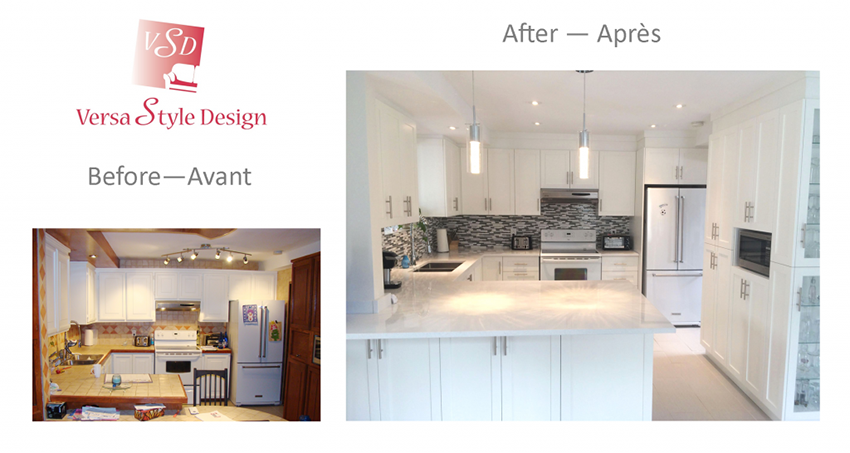
Stone, quartz and solid-surface counters

Experienced professionals are required to install stone countertops and solid surfacing, and they must also make the necessary openings for the sink and faucets. Stone slabs are pre-cut and solid surface materials are made to order. Under-mount sinks can be installed with stone and quartz-surface.

Stone Benefits

  • Durable, elegant, unique and high-end
  • Easy to clean
  • Highly heat-resistant
  • Slabs can be cut to fit the size counter you want

Maintenance

  • Sealants must be applied to most natural stone
  • Colours are irregular, varying from one slab to another
  • Heat-sensitive
  • Periodic maintenance is required
  • Granite countertops must be installed over a plywood base
  • Expensive

Drawbacks

  • Clean with a mild soap
Stone, quartz and solid-surface counters

Quartz Counter Benefits

  • Requires less maintenance than slab stone
  • Water-tight and durable
  • Consistent colours
  • Anti-bacterial
  • Non-porous so sealant is not required
  • Heat, stain and scratch-resistant

Drawbacks

  • Expensive

Maintenance

  • Clean with a mild soap
Stone, quartz and solid-surface counters

Solid Surface Counter Benefits

  • Offered in a wide range of colours
  • Highly resistant to stains and abrasive products
  • No visible joints

Drawbacks

  • Expensive
  • Not very heat and scratch-resistant

Maintenance

  • Clean with a mild soap

Concrete counters
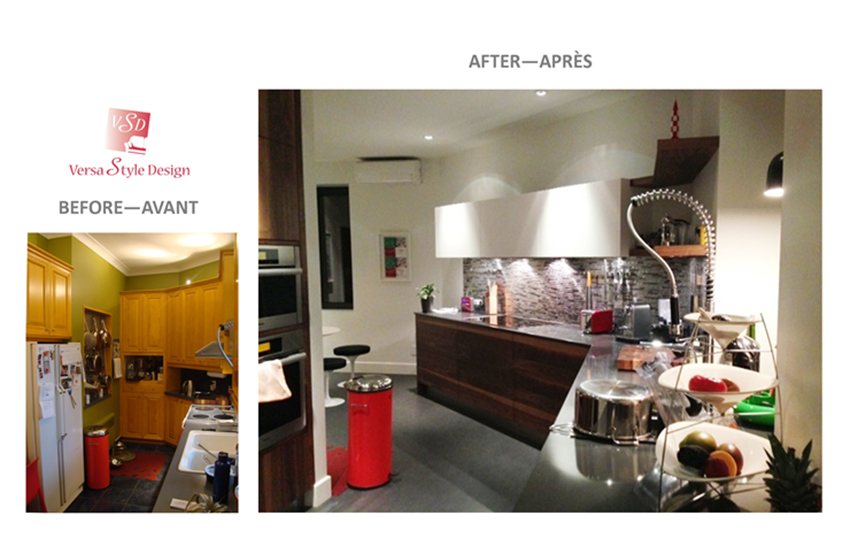
Concrete counters

Concrete countertops are available in three types. First among the options are custom precast slabs, which begin with taking the measurements of the countertop area, then building a mould. Once it has been fabricated offsite, it is then transported and installed in the kitchen.

Another option is “pour in place” countertops, which are exactly what they sound like. This type of concrete countertop is poured on the spot over a concrete board or plywood surface that covers the cabinets underneath with a moulding for the edges. The last type is the simplest and entails using pre-manufactured slabs and having them fitted.

Concrete counter Benefits

  • One of the most malleable materials from a design perspective
  • Can be pre-formed or poured on the spot
  • Heat and scratch-resistant
  • Colours and finishes easily customized
  • Metal and glass fragments can be added to the mix for decorative appeal

Drawbacks

  • Must be reinforced with steel and polypropylene fibre to prevent cracking
  • Stains easily so must be sealed properly
  • Base cabinets may need structural reinforcing
  • Must be reinforced with steel and polypropylene fibre to prevent cracking
  • Colour changes over time with a patina
  • Expensive

Maintenance

  • Wipe surfaces clean immediately

You would like to adopt some of these ideas in your own space but you don’t know where to start?

Contact us to transform your home or office according to your style, your budget and your specific needs. By discussing your project we can provide you with relevant information concerning our services, the process and our design fee.

Click here to contact us.
Written by Lucie Pitt · Categorized: Kitchens

Jul 30 2018

Great back to school study areas

With the school season quickly approaching, it’s time to get the kids and adults set up for a smooth start. This means a desk area where they can go to concentrate on homework and creative projects alike. The most essential element of any desk, whether it’s for kids or adults, is smart organization.

They’ll be spending a ton of time here reading, learning their numbers, exploring new ideas and using their imagination. Create a space that makes it easy to focus on one thing at a time.

Great back to school study areas

Re-purpose a cupboard

Re-purpose a cupboard

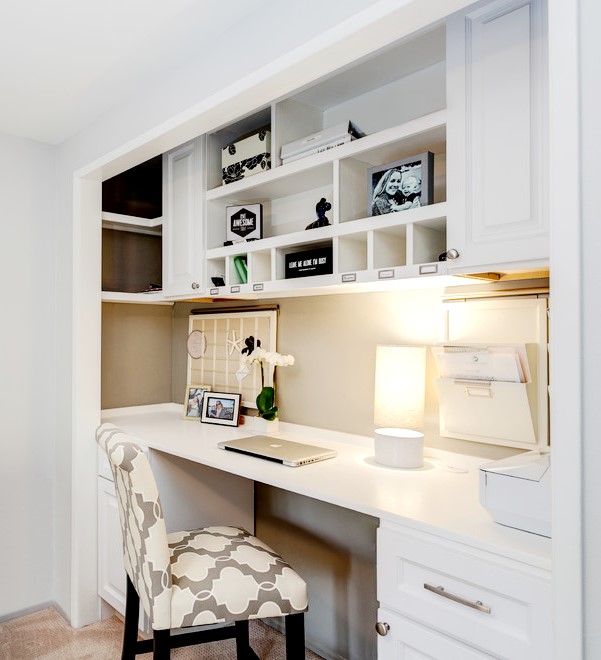
Turn a corner of the room into a dedicated study and homework space. If there are enough dressers in the room to store clothes and the closet isn’t used as much, repurpose it to create a desk, if its size is appropriate.

Fit shelves inside the closet space to make full use of the height, so school supplies and books can be stored on them. Use a ceiling light, mural lamp or reading light to light the desk space.

Wall Storage

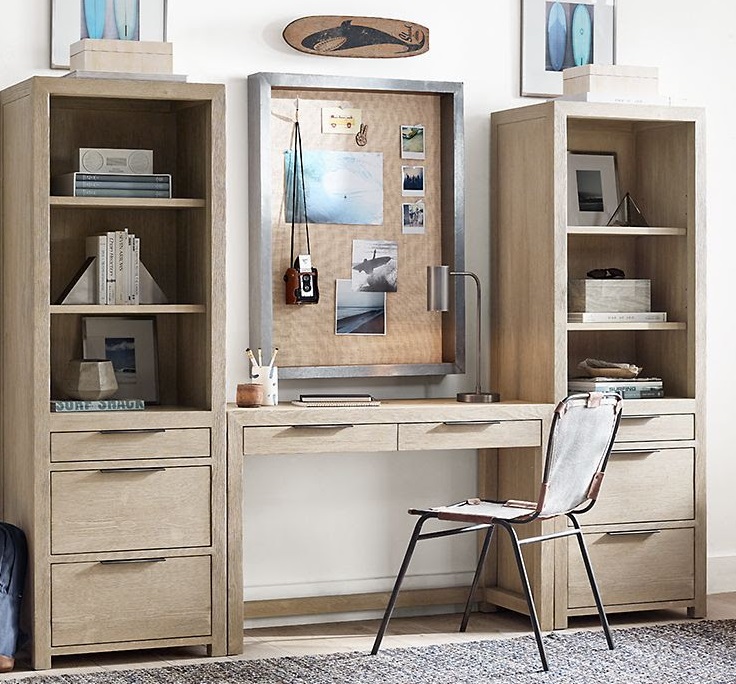
While the first assignments might be tough, getting organized doesn’t need to be. Try combining wall storage above the desk for stationery, a desk organizer for papers and a corkboard to easily find the schedule. Create space to contain everything by surrounding the desk with shelves. Use solid-coloured, matching boxes to hide things away. A couple of shelves can be dedicated to showcasing a few decorative objects as well. Add in accessories, like a letter tray, to sort your papers and hold your tablet.

Lighting

Comfort is a priority and make sure there is a good direct light to focus on the desktop, as well as some mood lighting for ambience. A well-lit environment also helps concentration and relieves eye strain. Especially using light levels and quality are similar to daylight.

If you can, setting up a workspace next to a window is ideal. But you can also recreate daylight using light bulbs that have similar light spectrum to natural sunshine. Task lighting on the desk helps provide focused lighting on work too.

You would like to adopt some of these ideas in your own space but you don’t know where to start?

Contact us to transform your home or office according to your style, your budget and your specific needs. By discussing your project we can provide you with relevant information concerning our services, the process and our design fee.

Click here to contact us.
Written by Lucie Pitt · Categorized: Kids

Jan 22 2018

Decorating with Neutral Tones

Lavish, Soft, Understated, Natural, Easy-going

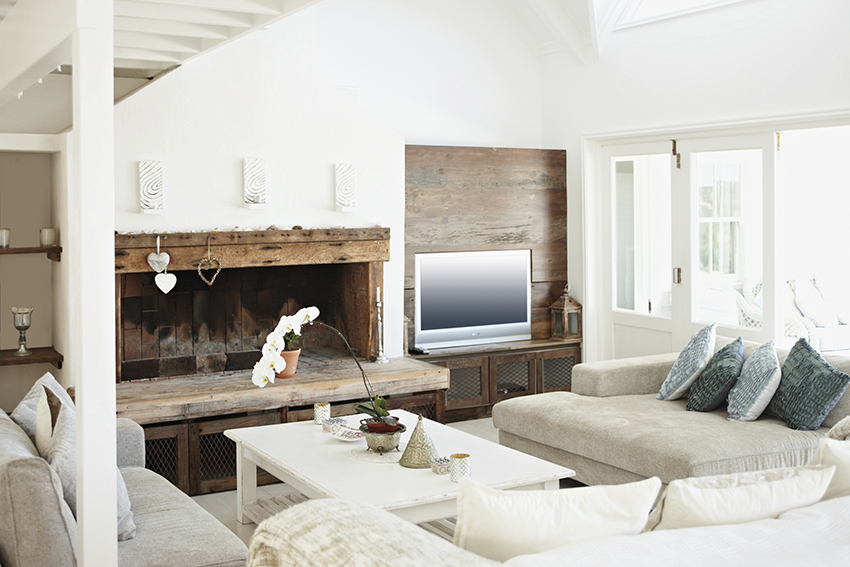
Cool neutrals are perfect for creating gorgeous and romantic bedrooms or ultra contemporary kitchens or living rooms, whereas warm neutrals are more flexible and adapt well to any room especially if your desire is a cozy lounge area. In this living room we can see both the warm and the cool combined.

Decorating with Neutral Tones

‘Neutral’ – an interesting word when it comes to colours. In fact, neutrals can be full of meaning and character. The room featured here, while distinctly neutral, is devoted to offer the utmost in creature comforts and relaxation.

Welcoming and comfortable, a room decorated in warm neutrals will make anyone feel at home. Dark, textured accessories add visual interest and depth.

Wood’s best friend

The family of grays go naturally with wood. So naturally, in fact, that it makes you wonder if it won’t turn out too predictable. But that is where your creativity comes in. Add a hint of subtle colour or metal. Put the wood centre-stage and use the gray as a backdrop.

No room will ever look ‘too dull’ as long as you are there to mix it up.

Wood’s best friend - neutral tones

White

White - neutral tones

Bright, Clean, Fresh, Basic, Pure

White is all about light – creating it, reflecting it and magnifying it. White is ideal for small rooms when you want to give the impression of a larger space.

White provides a clean canvas and backdrop for highlighting beautiful accessories.

Any fashion stylist would be happy to reveal to you one of the secrets of a successful monochromatic pallette: a broad variety in textures makes all the difference. The same goes for interior decorating.

Glossy and matte surfaces, straight, curvy and angular lines, and materials ranging from shiny and rigid to soft and plush, together create a lively scene. Since colour doesn’t get in the way of tactile perception, you’ll be acutely aware of the abundance surrounding you.

White - neutral tones

Contrary to popular belief, white doesn’t create a minimalist space per se. Variations of white are ideal for the soft shapes and muted decorations that make spaces feel cosy and laid back.White leaves room for improvisation. Once you venture out into off-white and cream territory, a whole new set of opportunities arises.

Be as playful as you like – the result, after all, still qualifies as a white wall.

White Meet Wood

White is not only a blank canvas or a stand-alone entity, it is also a gracious backdrop and a natural companion for wood. Wooden picture frames, a wall-mounted desk or a chest of drawers seldom look better than against a simple white wall.

The light draws out the depth of colour in the wood, emphasizing the beauty of the grain and complementing the quality of the workmanship.

White Meet Wood

You would like to adopt some of these ideas in your own space but you don’t know where to start?

Contact us to transform your home or office according to your style, your budget and your specific needs. By discussing your project we can provide you with relevant information concerning our services, the process and our design fee.

Click here to contact us.
Written by Lucie Pitt · Categorized: Decorating with color

Jun 03 2017

Designer tips to make your ceiling seem higher

Designer tips to make your ceiling seem higher

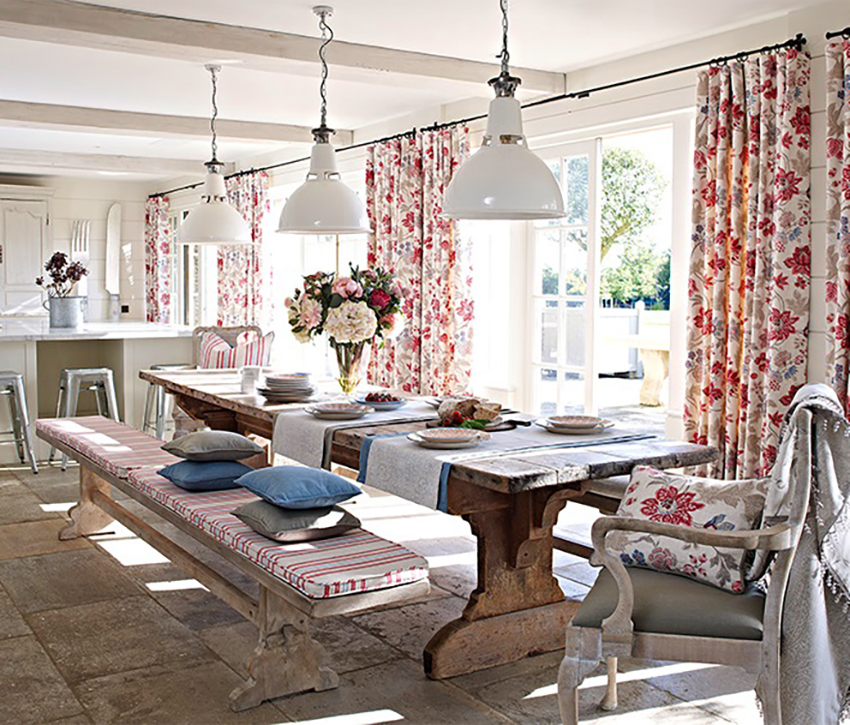
This kitchen and dining area has high ceilings, but we are not all so fortunate! Some of our small rooms can feel cramped! When you don’t have a lot of square footage in a space, you can help it along with a few ‘tricks of the trade’ to at least make a room seem like it is more spacious!

You can create the illusion of higher ceilings – and achieve a more spacious atmosphere with these four valuable tips:

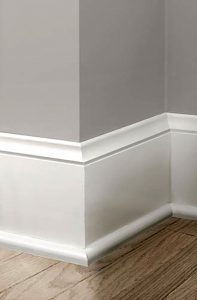
1. Use taller baseboard molding

Larger molding on the floor makes the walls look higher.Standard baseboards are about 4 – 7 inches in height, but you can find these moldings up to a foot high. There are many materials and styles from which to choose.

1. Use taller baseboard molding

2. Paint the ceiling to match the walls

Paint the ceiling to match the walls

Most homeowners assume that the ceiling should stay white to make the room seem larger. However, if the walls have color and the ceiling does not, there is a strong visual break where they meet. This accentuates the low ceiling. If you paint your ceiling to match the walls, it fools the eye, and the ceiling will appear higher.

3. Make sure you have adequate lighting.

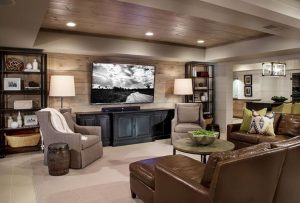
This basement, as with most, had a low ceiling, so careful consideration was given to drawing the eye to certain areas, and away from others. Position adequate lighting in all the corners and extremities. A dark corner won’t appear, thereby making the wall seem shorter.

3. Make sure you have adequate lighting.

4. Use vertical lines

4. Use vertical lines

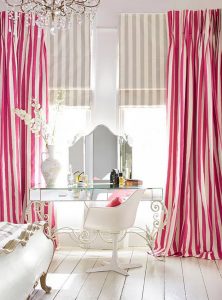
To create a taller appearance in a room, use vertical lines – and avoid horizontal lines – wherever you can. Choose window treatments that draw the eye upward, like fabric panels installed from the ceiling to the floor (see the first photo in this article), long cascades, or vertical blinds.

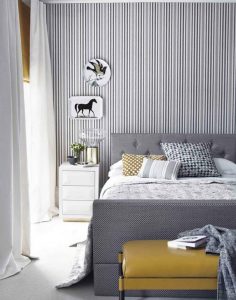
Look for wallpaper or furniture that has vertical lines or you can paint a tone-on-tone striped pattern on the wall for an elegant look that adds height.All of the gorgeous wallpapers and fabric featured in this article are available through Versa Style Design.

4. Use vertical lines

You would like to adopt some of these ideas in your own space but you don’t know where to start?

Contact us to transform your home or office according to your style, your budget and your specific needs. By discussing your project we can provide you with relevant information concerning our services, the process and our design fee.

Click here to contact us.
Written by Lucie Pitt · Categorized: Small spaces · Tagged: high ceiling, lighting, low ceiling, low rooms, paint, small rooms, verticle lines

Mar 26 2016

The Best Colour Combinations for Your Home

There are many outstanding design classics that never go out of style. It may be an iconic chair, a stone counter top or a sensational piece of fabric. There are also classic colour palettes that go above and beyond popular trends and stand the test of time. Everybody instantly loves them and they can be adjusted to any style; whether rustic, modern, traditional or eclectic. They just seem to harmonize perfectly and always get along.

Here are the ones I tend to recommend the most…

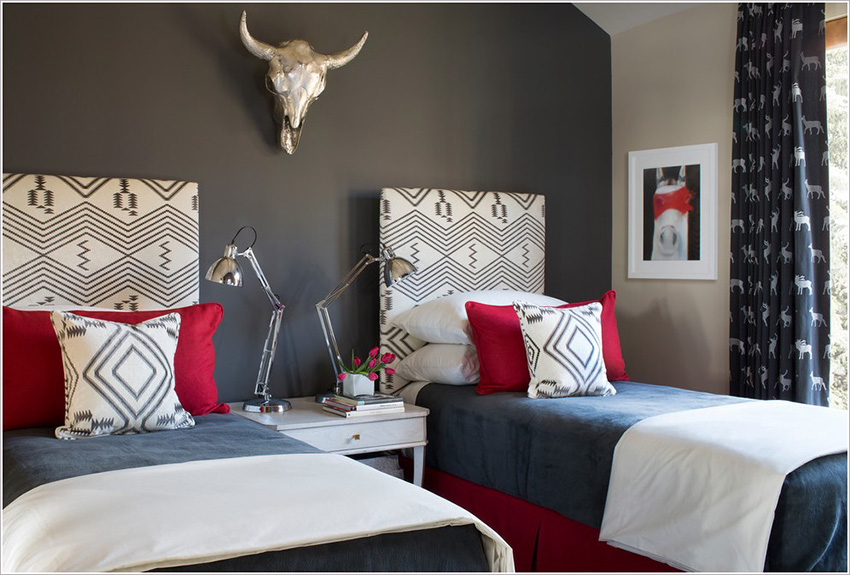
Navy, white and red

Navy, white and red

Not for the faint-hearted, this dynamic trio is a fast-track to a statement scheme. Hits of tomato red stand out against a soothing navy background, and splashes of white add a clean and nautical twist.

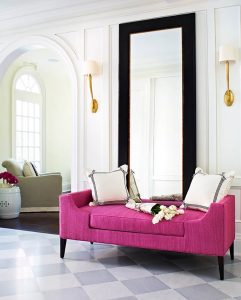
White, black and fuchsia

Think black and white is dull? Add a sharp pop of pink. Start with a scheme that is mostly white, add a couple of black accessories, then choose a statement piece of furniture or a single accent wall in daring fuchsia for a bright injection of colour.

White, black and fuchsia

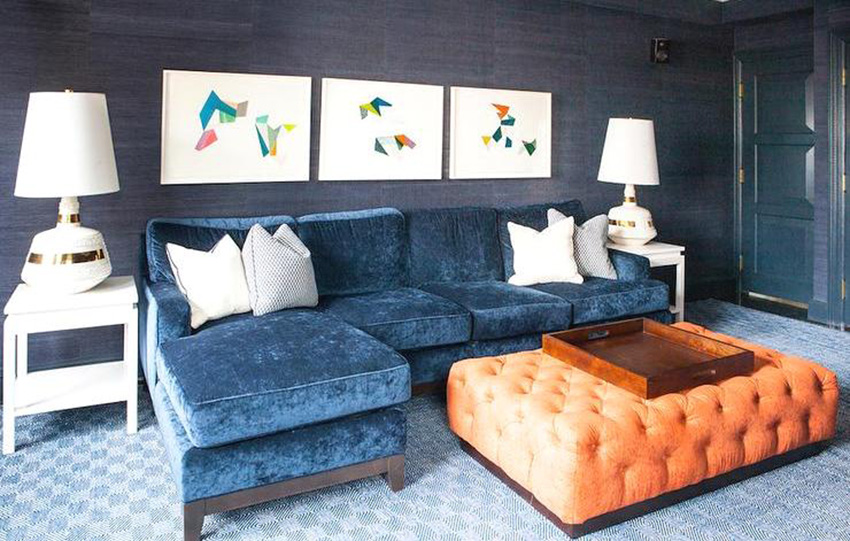
Dark blue with hits of orange

Dark blue with hits of orange

Take inspiration from this complementary palette and create a harmonious mix of colours and styles; velvety fabrics create an inviting area for lounging or entertaining. Give your scheme an edge with bright bursts of orange. Add accessories with hits of blue and orange to bring it all together.

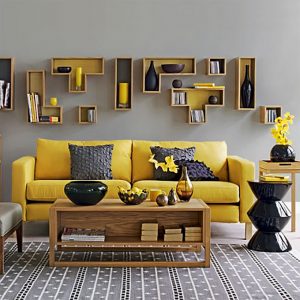
Grey and yellow

Stuck in a grizzly grey rut? Cast your eye over this versatile pairing. From statement furniture to delicate accessories, sharpen up soft grey with bursts of zesty citrus for a fresh look that packs a punch. It’s a match made in colour heaven!

Grey and yellow

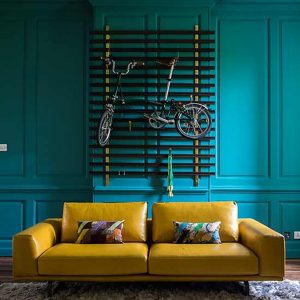
Teal and mustard

Teal and mustard

Not just for hot-dogs, a dash of mustard quickly adds depth to a room’s scheme. Team this moody colour with teal for a Seventies-inspired look that has plenty of character.

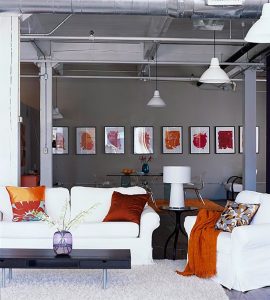
Charcoal, white and brick

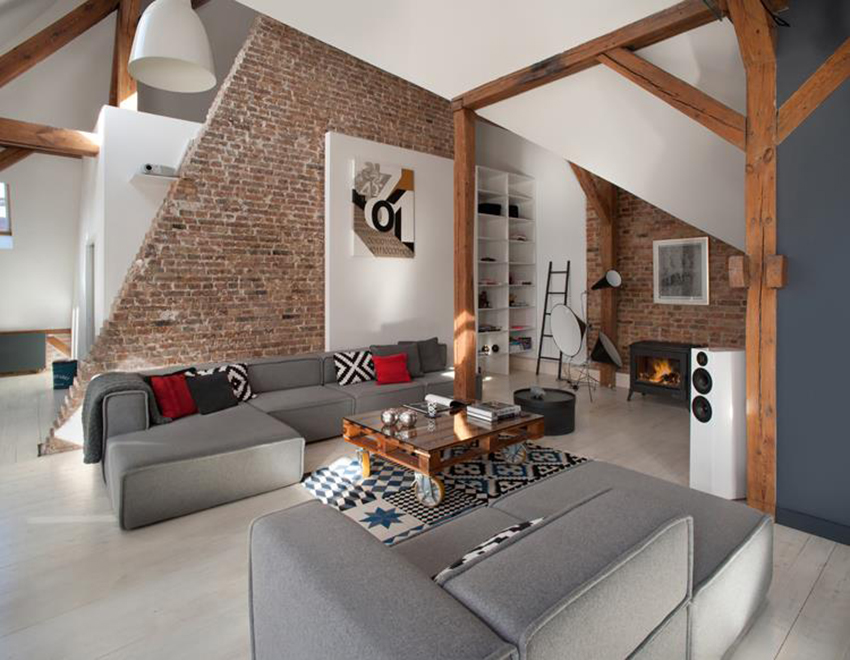
Warm up a cool neutral scheme by teaming a rich charcoal gray with bold brick hues. Opt for grey-white furniture and stone-coloured walls, and then add accessories in bold shades of brick and terracotta for an earthy, but fresh mood.

Charcoal, white and brick

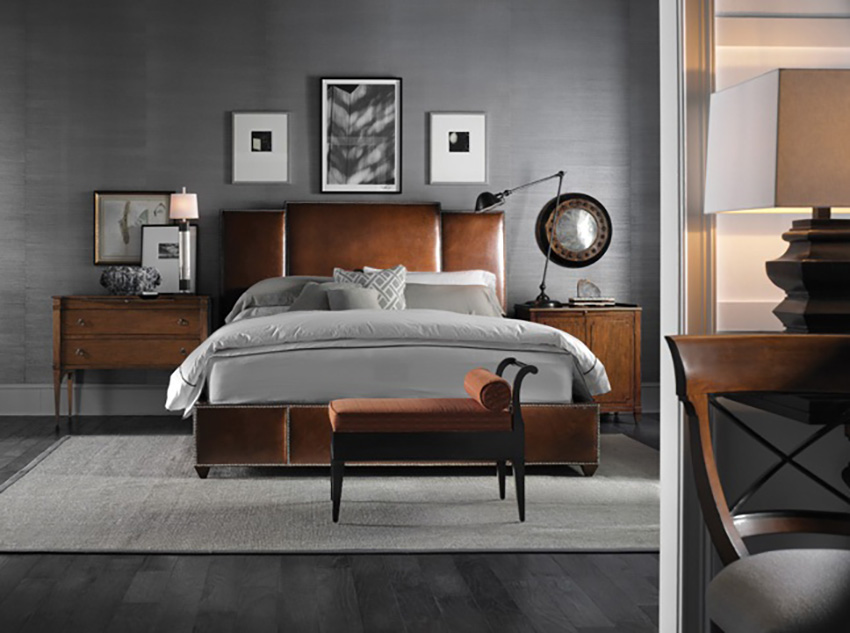
Grey with wood furniture and floors

Grey with wood furniture and floors

If you want your wood floors and furniture to stand out, don’t pair them with beige, but rather pair them with blue-greys or greys. Trust me; you will love your wood even more, regardless of your personal style.

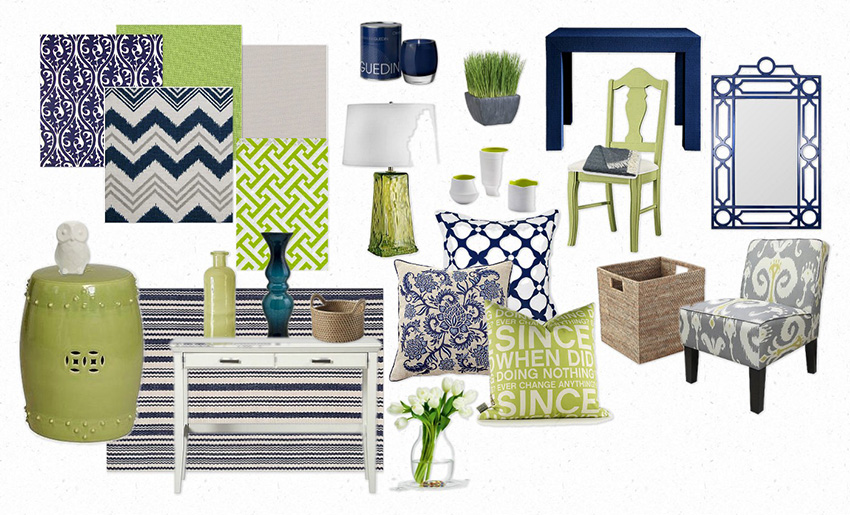
Crisp navy, white and green

This palette is fresh and summery, and it is great for kids, for women as well as for the guys, especially if you go with a nautical theme! Don’t be afraid to go with navy on at least one wall.

Crisp navy, white and green

Black with anything

Black with anything

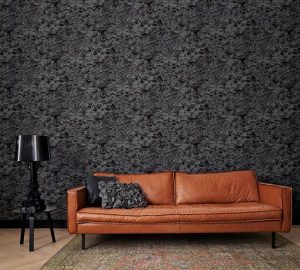
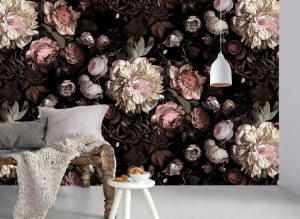
Black is no longer a taboo shade when it comes to home design. In fact it has become very popular. Frankly, every single colour seems to really pop out with a black background. Try to keep the clutter to a minimum so it remains sophisticated.

This is a dramatic choice so I usually suggest that my clients first try it in a powder room, vestibule or bedroom because they spend less time there.

Black with anything

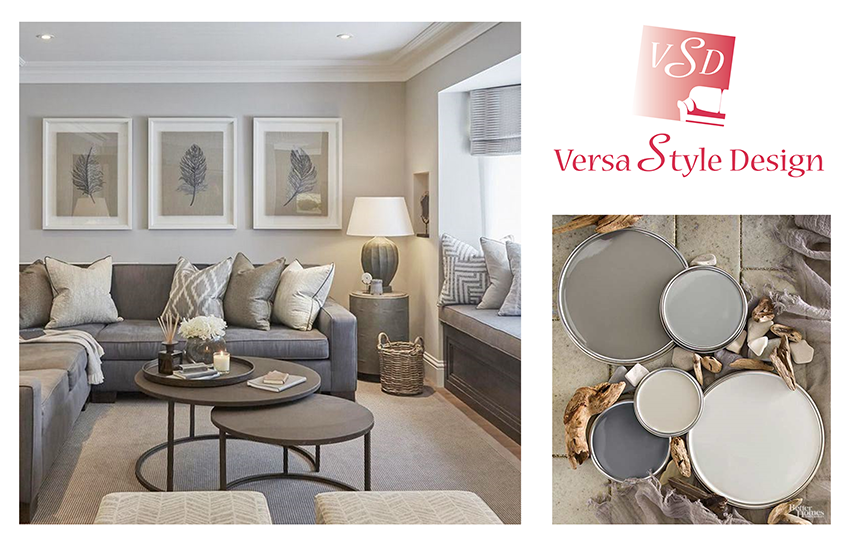
White and sand

White and sand

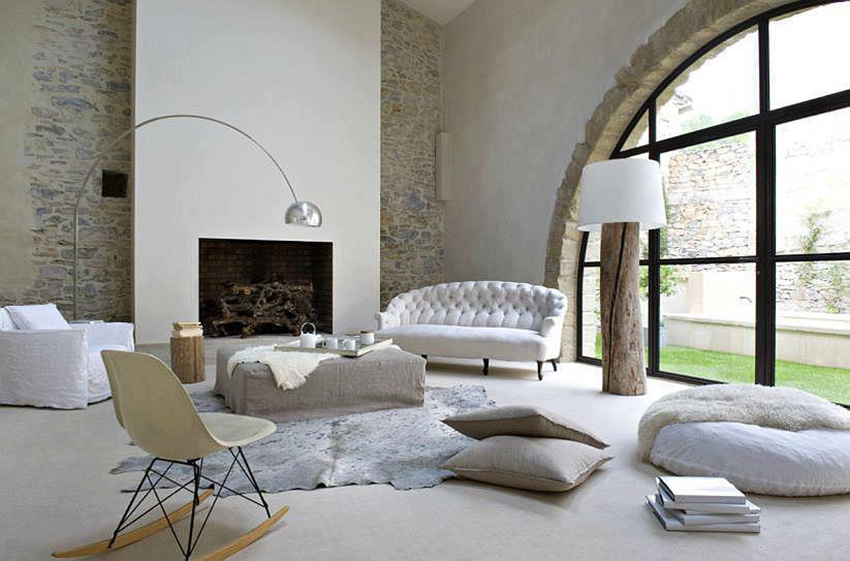
Because of the low contrast, this palette is gentle and easy on the eyes. It will never go out of style. Make sure you add textures so the space isn’t bland but rather visually interesting and inviting. In this living room stone is mixed with an animal skin rug, wood lamp and textured linen fabrics. Usually it is best to have a little more white than sand.

White with a hit of bright green

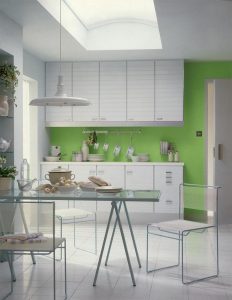
If you want a dynamic feel to the room then crisp white paired with bright green is a great choice. It is very important to make sure that most of your accessories are white to keep the look clean and pure. This space needs to remain clutter-free so if you aren’t up to the challenge, you should probably choose another palette that is more forgiving.

White with a hit of bright green

To conclude

More than any other factor in home design, it is colour that establishes the mood and ambience of a room; Choose colours that make you feel excited and alive, or serene and elegant. Also, wall paint is the most economical way of making a dramatic change in any space. Go with a palette that is harmonized to what you already own, pulling it all together.

Colour must be chosen in the room itself, with a variety of paper samples hung on the walls so you can evaluate how they look with the changing light. If you would like these convenient samples, contact us for a home colour consultation.

All of the furniture, lighting, ancestral stone, wallpaper, rugs, couches, beds and paint colours are available through Versa Style Design.

You would like to adopt some of these ideas in your own space but you don’t know where to start?

Contact us to transform your home or office according to your style, your budget and your specific needs. By discussing your project we can provide you with relevant information concerning our services, the process and our design fee.

Click here to contact us.
Written by Lucie Pitt · Categorized: Decorating with color · Tagged: color, colour, colour combinations, cuisine versa style, trends

  • « Previous Page
  • 1
  • …
  • 5
  • 6
  • 7
  • 8
  • Next Page »

A home visit is not possible?
Our online interior design services give you access to valuable tips, ideas and professional expertise.
Click here to find out more

Lucie Pitt Interior Designer

Versa Style Design
Lucie Pitt

info@versastyledesign.ca
social-icon social-icon social-icon social-icon

Receive precious advice and exclusive promotions by subscribing to Lucie's Design & Organization Newsletter

Interior Design & Renovations

Kitchen Design
Bathroom Design
Living Room Design
Basement Design
Get Organized
Closets and Walk-Ins
Home Theater
Custom Furniture
Curtains and Blinds
Bedroom Design
Home Office Design
Man Cave and Garage
Kid Zones
Small Spaces
Perfect Colour
Exceptional Walls
Exterior Design

Design Blog

Kitchen
Renovations
Walk-Ins and Shelves
Small Spaces
Kids
Organize & Declutter
Seasonal Decorating
Bathrooms
Mudrooms and Vestibules
Trends and Styles
Decorating With Colour
Window Treatment
Laundry Room
Office
Outdoors
Bedroom
Cabinets
Basements

Versa Style Design © 2026 · Contact Us · Privacy Policy · Managed by webwilly.ca